Macroeconomic factors refer to the broader, overall factors that affect the performance of an economy. Here are 10 such macroeconomic factors and their impact:
1. Gross Domestic Product (GDP):
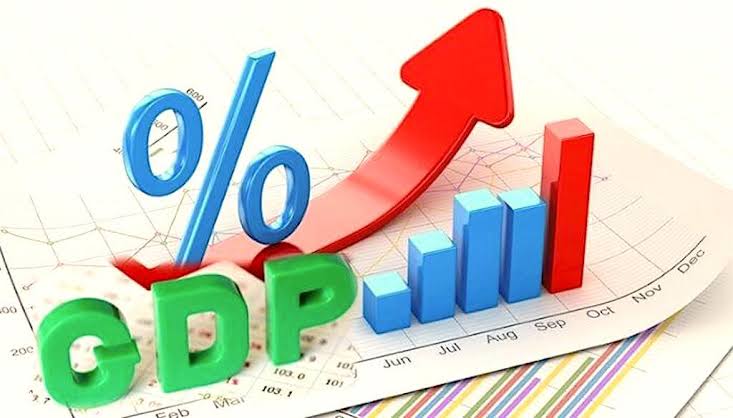
GDP is the measure of a country’s economic output and its impact on the economy is significant as it indicates the overall economic growth. A growing GDP is a sign of a healthy economy and vice versa.
2. Inflation:

Inflation measures the average increase in prices for goods and services over time and its impact on the economy is crucial. High inflation rates can erode purchasing power and reduce consumer spending, which can negatively impact economic growth.
3. Interest Rates:

Interest rates are the cost of borrowing money and they impact the economy by influencing consumer spending and investment decisions. Higher interest rates discourage borrowing and spending, while lower rates encourage it.
4. Employment:
Employment is a measure of the number of people with jobs and it is a key indicator of the health of an economy. High employment levels indicate a strong economy, while high unemployment levels signal weakness.
5. Trade:
Trade refers to the exchange of goods and services between countries and its impact on the economy is significant. A strong trade sector can lead to economic growth and job creation, while a weak trade sector can result in economic slowdown.
6. Fiscal:

The budget of a government, or the amount of money it collects and spends, has a significant impact on the economy. Large deficits can increase the national debt and negatively impact the economy, while balanced budgets and surpluses can have a positive impact.
7. Government Regulations:
Government regulations play a significant role in shaping the economy and its impact can be either positive or negative. Excessive regulations can stifle economic growth, while smart regulations can help to promote it.
8. Demographics:

Demographic trends, such as population growth, aging, and immigration, can have a significant impact on the economy. For example, a growing population can drive economic growth, while an aging population can strain the economy’s resources.
9. Technology:

The development and adoption of new technologies can have a major impact on the economy, by improving productivity and creating new industries and jobs.
10. Natural Disasters and Geopolitical events:
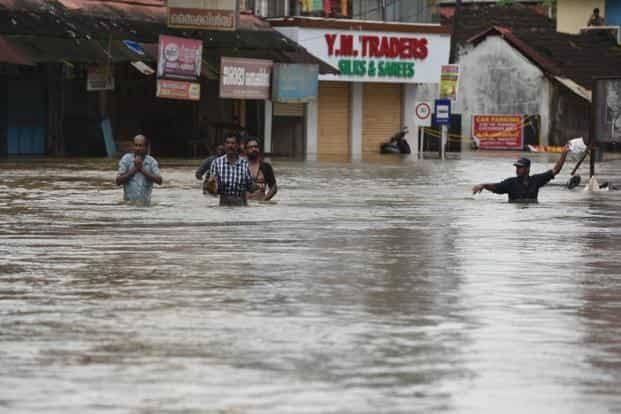
Natural disasters, such as hurricanes, earthquakes, and pandemics, can disrupt the economy and cause economic losses. Geopolitical events, such as wars and political instability, can also impact the economy by affecting trade and investment.
 The Stock Stethoscope
Leave a comment